Nexus Networks AI Converging IT-OT-IoT in Next-Gen Smart Cities is creating a powerful, positive shift in how urban infrastructure is managed, making cities smarter, safer, and more sustainable through real-time intelligence and automation.
Nexus Networks AI Converging IT-OT-IoT in Next-Gen Smart Cities is no longer a buzzword it’s the foundation of how modern cities will think, react, and serve their citizens. As urban environments become denser and more complex, traditional siloed systems for traffic, energy, water, safety, and governance simply cannot keep up. Cities need a unified “digital nervous system” that connects everything from sensors on the street to servers in the data centre, and this is exactly where AI-driven Nexus Networks step in.
What Are Nexus Networks in Smart Cities?
In a smart city, Nexus Networks are the intelligent fabric that connects IT (Information Technology), OT (Operational Technology), and IoT (Internet of Things) into a single, coordinated ecosystem.
- IT handles business applications, citizen portals, analytics platforms, and data centres.
- OT controls field systems like power grids, SCADA, traffic signals, BMS, water treatment, and public safety infrastructure.
- IoT brings in millions of sensors measuring air quality, noise, traffic flow, occupancy, energy use, and more.
When you add AI to this mix, Nexus Networks AI Converging IT-OT-IoT in Next-Gen Smart Cities becomes the engine that fuses data from all these layers, learns from it, and continuously optimizes how the city behaves.
Why Nexus Networks AI Converging IT-OT-IoT in Next-Gen Smart Cities Matters
Most city systems were designed in isolation: transport has its own control room, utilities run their own SCADA, emergency response has separate consoles, and IT teams manage cloud and applications elsewhere. This fragmentation leads to:
- Slow incident response
- Duplicate investments in infrastructure
- Limited cross-domain insights
- Poor citizen experience
By contrast, Nexus Networks AI Converging IT-OT-IoT in Next-Gen Smart Cities breaks these silos. A unified AI platform can correlate an event say, heavy rainfall with live CCTV feeds, pump status, traffic congestion, and citizen complaints in one place. That means smarter decisions, earlier warnings, and more coordinated action between departments.
How AI Convergence Works in Practice
At the heart of a Nexus Network is a real-time data platform that ingests streams from IT, OT, and IoT layers:
1.Data Ingestion & Normalization
IoT sensors publish readings over MQTT, LoRaWAN, or 4G/5G.
OT systems like SCADA, BMS, and PLCs send telemetry via protocols such as Modbus, BACnet, or OPC UA.
IT systems contribute logs, tickets, GIS data, and citizen app events.
The Nexus layer cleans, standardizes, and maps all of this into a unified city data model.
2. AI/ML Analytics
Anomaly detection identifies unusual vibration in a bridge, abnormal energy consumption in a building, or unusual crowd density at a metro station.
Prediction models forecast traffic congestion, energy demand, water usage, or flood risk hours in advance.
Optimization engines recommend actions like dynamic signal timing, chiller setpoint tuning, lift scheduling, or generator dispatch.
3. Action & Orchestration
The system can trigger automations (e.g., change traffic lights, ramp up pumps, adjust AC loads) or raise workflow tasks for operators and field teams.
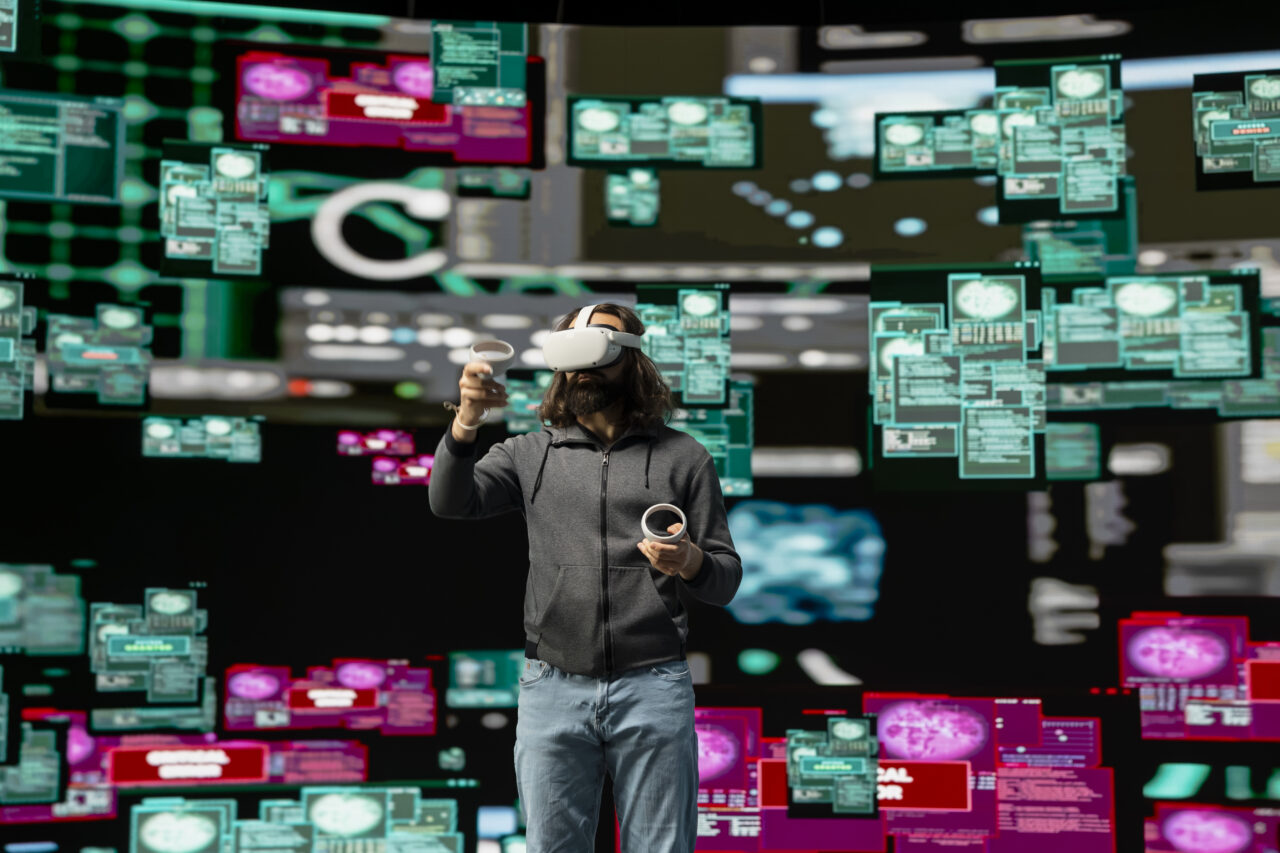
Unified dashboards give mayors, commissioners, and command centre teams a single pane of glass for the entire city.
Key Use Cases of Nexus Networks in Smart Cities
1. Resilient Urban Mobility
A Nexus Network can align IT systems (journey apps, payment systems), OT systems (signals, VMS, metro controls), and IoT sensors (vehicle counters, cameras, pollution meters). AI models then:
- Predict peak congestion on corridors
- Suggest diversions in real time
- Synchronize signals to reduce idle time
- Prioritize ambulance or fire engine routes
The citizen experiences smoother travel; the city benefits from lower emissions and better road safety.
2. Integrated Energy & Sustainability Management
Smart buildings, EV chargers, solar plants, and city lighting are often managed separately. With Nexus Networks AI Converging IT-OT-IoT in Next-Gen Smart Cities, a unified platform can:
- Track energy, water, and emissions across all critical facilities
- Optimize chiller plants, HVAC loads, and lighting schedules using AI
- Shift loads away from peak tariff windows
- Support ESG reporting with accurate, auditable data
The result is a powerful combination of cost savings and positive sustainability outcomes.
3. Public Safety & Emergency Response
When a major incident occurs flood, fire, industrial accident, or crowd surge time and coordination are everything. By converging IT (CAD, call centres, GIS), OT (sirens, barriers, pumps), and IoT (CCTV, SOS poles, alarms), Nexus Networks enable:
- Unified incident view for police, fire, health, and disaster teams
- Automated risk scoring based on live data
- Suggested response playbooks for operators
- Post-incident analysis to refine future responses
AI not only speeds up response but helps cities learn from every event.
Designing Your Own Nexus Network Strategy
- Start with a clear vision and outcomes
Define the top 3–5 priorities: mobility, water, safety, sustainability, or citizen experience. - Map your IT, OT, and IoT assets
Understand what’s already deployed systems, protocols, networks, and data gaps. - Build a unified data and integration layer
Invest in an interoperable platform rather than another siloed solution. - Introduce AI where it matters most
Begin with high-impact use cases like traffic optimization, energy savings, or flood prediction. - Create cross-functional operations teams
Break down department boundaries in your command centres so teams use the same Nexus view.
Conclusion: From Connected to Truly Intelligent Cities
Simply adding more sensors or screens does not make a city smart. The real transformation happens when Nexus Networks AI Converging IT-OT-IoT in Next-Gen Smart Cities becomes the core architecture connecting systems, data, and people on a single intelligent fabric.